Organisation of Petroleum Exporting Countries (OPEC) agreed to its first output cuts in eight years to avoid price shocks after an unprecedented drop in investment threatened to cause supply shortages, explained Qatar’s energy minister. Weak oil prices have affected both the energy industry and the global economy, leading to two-and-a-half years of low gross domestic product and sluggish economic growth, Mohammed Al Sada said during a speech in India on Monday. An “unprecedented” 25 per cent drop in annual investment in the energy sector the last two years was “bound” to lead to future price and supply shocks, according to the minister. “People think that the price of oil was the major force behind OPEC and other organisations” decision to limit supplies, said Al Sada, who spoke at the Petrotech Oil and Gas Conference in New Delhi. “Shocks led OPEC to think of ways and means to dampen these possible shocks and possible shortage of supplies.” The OPEC's decision in Vienna last week to cut production by 1.2 million barrels a day for six months starting in January will lead to a better balance between supply and demand, said Al Sada. Inventories should begin to fall nearer to the five average, he said. (Saket Sundria and Debjit Chakraborty/Bloomberg)

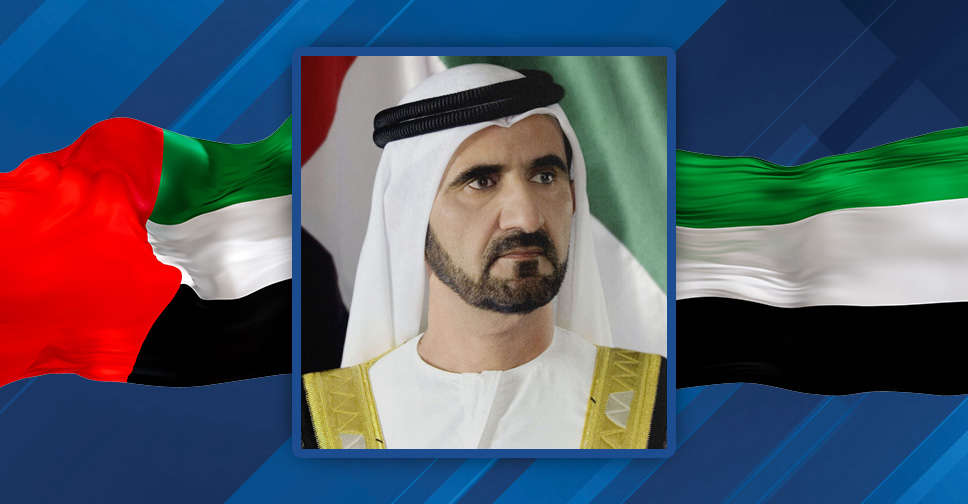 H.H. Sheikh Mohammed issues decree on board of Investment Corporation of Dubai
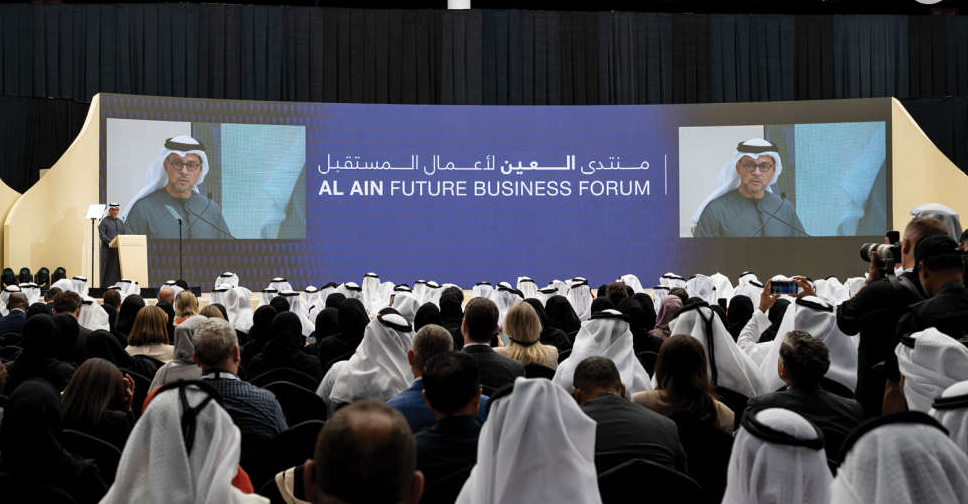 Eleven agreements signed at Al Ain Future Business Forum
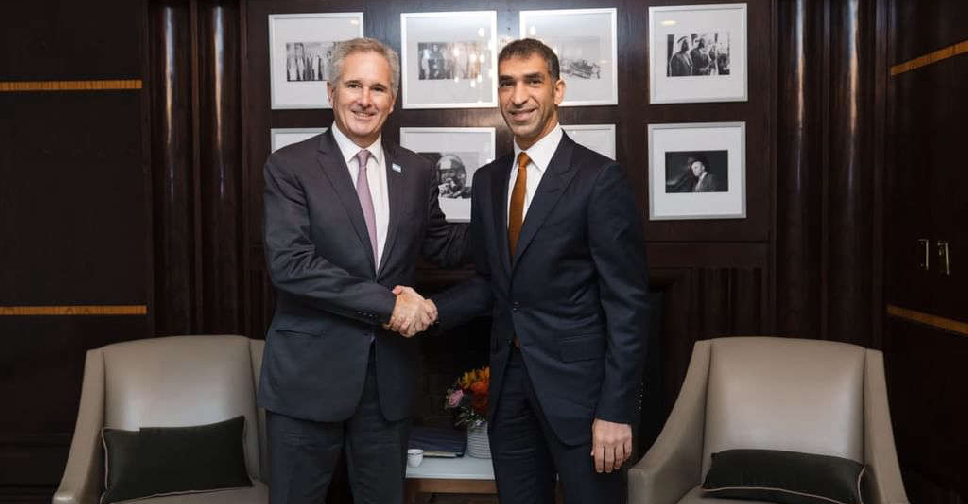 UAE, Argentina launch CEPA negotiations
 Meraas awards AED 1 billion contract for Nad Al Sheba Gardens expansion
 Meta launches AI gadget Charm as race for post-smartphone hardware heats up