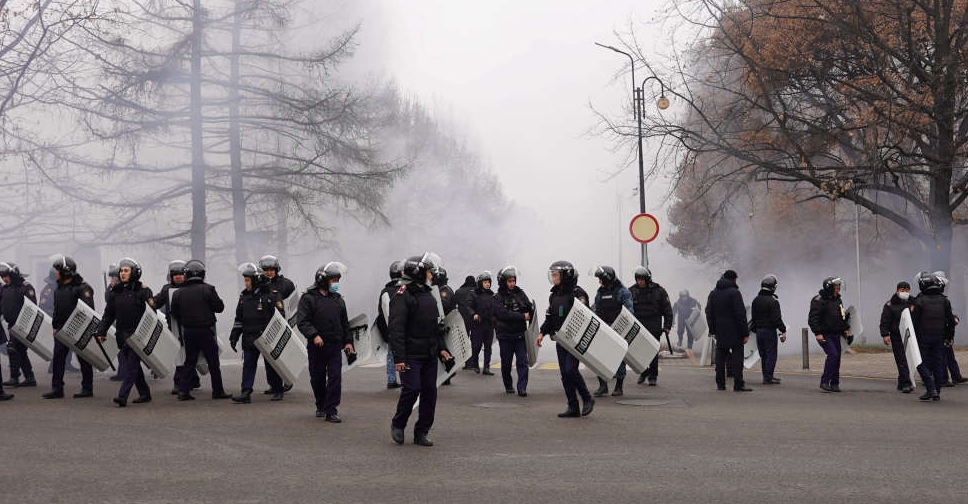
Kazakhstan declared emergencies in the capital, main city and provinces on Wednesday after demonstrators stormed and torched public buildings.
The Cabinet resigned but that failed to quell the anger of the demonstrators, who have taken to the streets in response to a fuel price increase from the start of the new year.
Almaty's police chief said the city was under attack by "extremists and radicals", who had beaten up 500 civilians and ransacked hundreds of businesses.
A presidential decree announced a two-week state of emergency and nighttime curfew in the capital Nur-Sultan, citing "a serious and direct security threat to citizens".
States of emergency were also declared in Almaty and in western Mangistau province, where the protests first emerged in recent days.
Authorities appeared to have shut the country off the internet as the unrest spread.
Kazakhstan's reputation for political stability under three decades of one-man rule by former leader Nursultan Nazarbayev helped it attract hundreds of billions of dollars of foreign investment in its oil and metals industries.
The price of its dollar bonds plunged by nearly 6 cents, the worst showing since the height of the coronavirus market collapse of 2020.
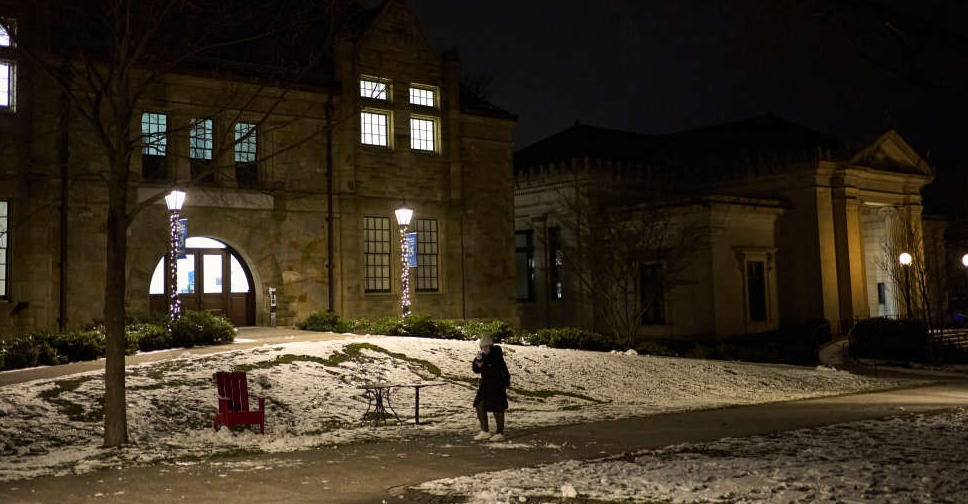
The suspect in the mass shooting at Brown University last weekend is dead, a US attorney said, as authorities investigate whether the same person killed a Massachusetts Institute of Technology professor two days after the rampage at Brown.
There is no evidence indicating that the two suspects involved in the Bondi Beach attack received any form of military training while in the Philippines, the country's National Security Adviser said on Wednesday.
At least 12 people were killed and three others abducted when gunmen attacked a mining site in Atoso village in Nigeria's restive Plateau state, a local group leader said on Wednesday.
Russia launched a "massive" drone attack on Ukraine's central Cherkasy region, injuring six people and triggering a blackout in part of Cherkasy city, the local governor said on Thursday.
The United Nations and aid groups have warned on Wednesday that humanitarian operations in the Palestinian territories, particularly Gaza, were at risk of collapse if Israel does not lift impediments that include a "vague, arbitrary, and highly politicised" registration process.


 Suspected gunman in Brown University shooting found dead
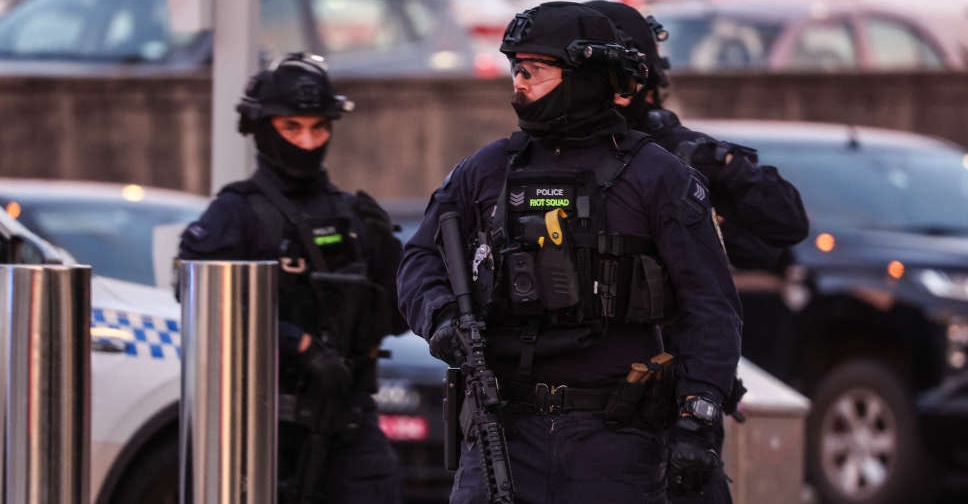 No evidence alleged Bondi gunmen received military training in Philippines
 At least 12 killed in Nigeria mining site attack
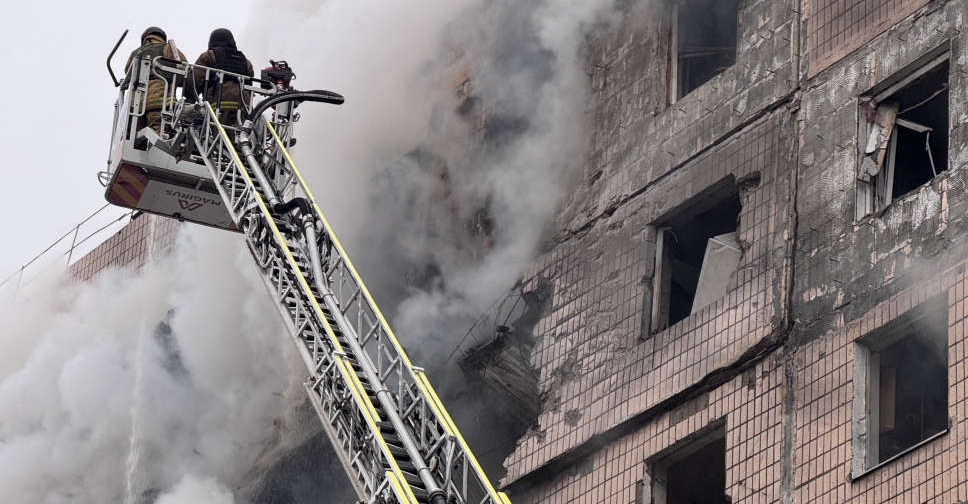 Russian attack on Ukraine's central Cherkasy injures six, causes blackouts
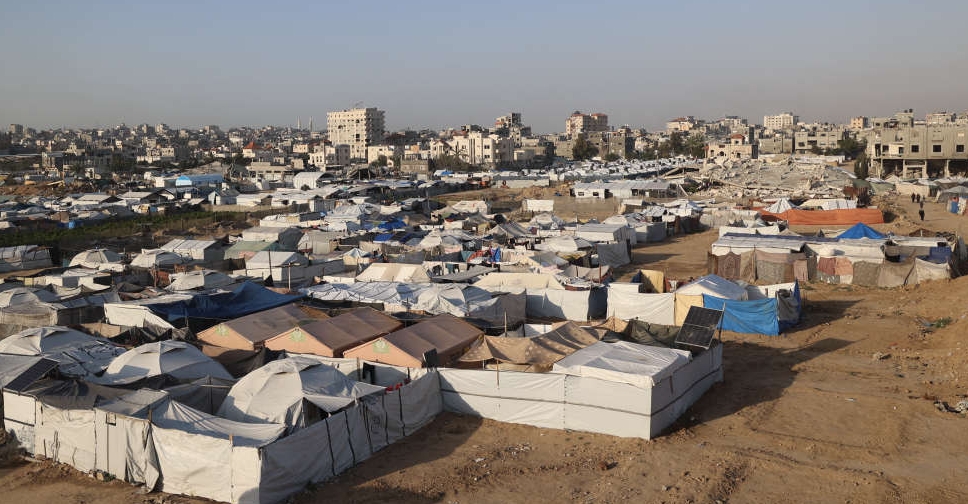 UN, aid groups warn Gaza operations at risk from Israel impediments