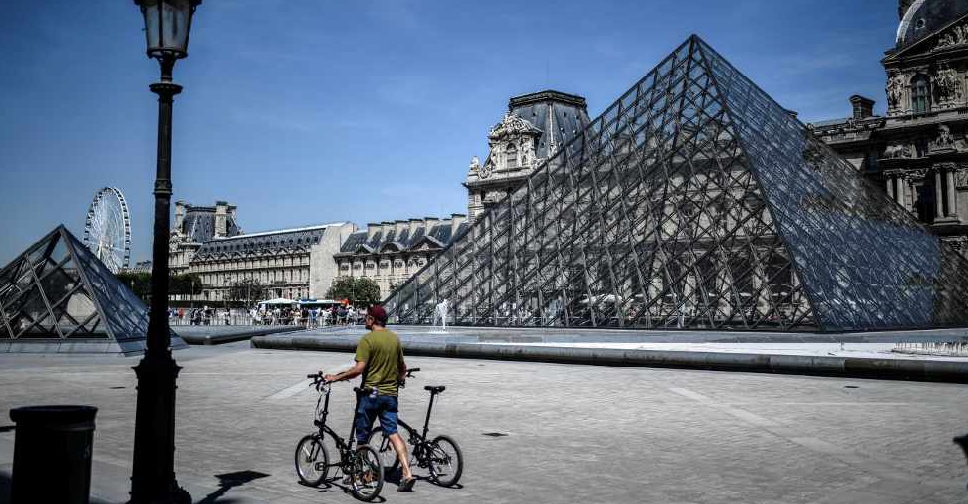
The streets and terraces of Paris and eight cities in France emptied on Saturday night as people were asked to stay home to stem a second wave of the coronavirus.
French President Emmanuel Macron last week ordered nightly curfews in cities where the coronavirus was the most active, saying it was spreading at parties and private gatherings and action was needed or else hospitals risked being overwhelmed.
While some people understood the need to contain the virus, restaurant managers cautioned about the impact on a sector that already suffered major losses during the spring lockdown.
"There will surely be employees who will lose their jobs, several restaurants will go bankrupt," said Stefano Anselmo, manager of Italian restaurant Bianco in Paris. "It's a disaster."
France, like other European countries, is grappling with how to slow the virus’ spread and ease pressure on a once-again strained healthcare system while keeping its 2.3 trillion euro ($2.7 trillion) economy open and protecting jobs.
The number of new coronavirus infections in France jumped more than 32,000 in one day on Saturday for the first time since the start of the epidemic, health ministry data showed.
The 9:00 pm to 6:00 am curfews will last at least four weeks.
US President Donald Trump will follow up his summit with Xi Jinping by taking the Chinese leader on Friday to the US National Archives, where they are expected to stress views about the history and direction of ties between their countries.
France will send troops and defence systems to Saudi Arabia to help protect the Red Sea port city of Yanbu, which is key for energy transport, French President Emmanuel Macron said on Thursday.
The United Nations Conference on Trade and Development (UNCTAD) warned that the Palestinian economy is currently facing “the most severe economic crisis recorded anywhere in the world", with an estimate $71.5 billion needed for recovery.
Prime Minister Benjamin Netanyahu mounted a forceful defence of Israel's actions in the region at the UN, seeking to counter growing international isolation ahead of elections he could lose, as dozens of delegates streamed out.
US President Donald Trump welcomed Chinese President Xi Jinping to the White House on Thursday for a lavish state summit expected to be heavy on symbolism but light on substance, with both leaders keen to showcase stable ties despite a host of thorny issues.


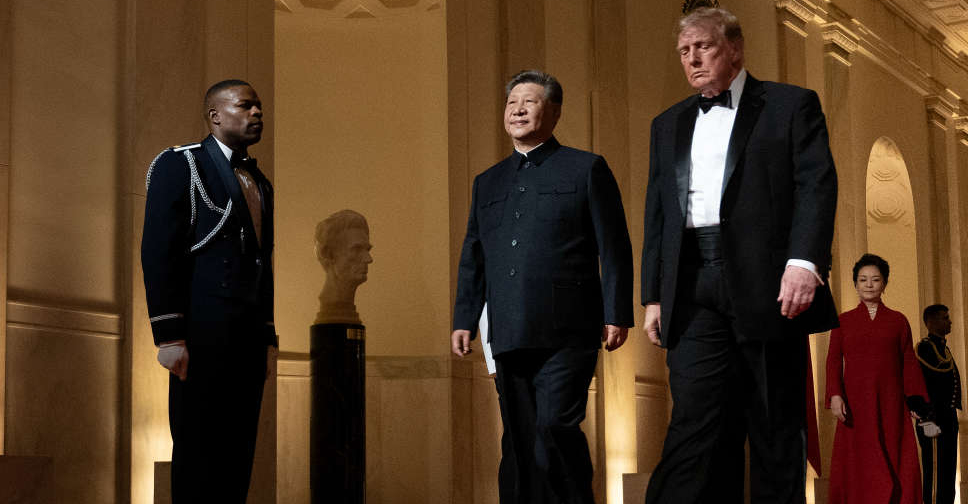 Trump to wrap up Xi summit with a tour of US archives
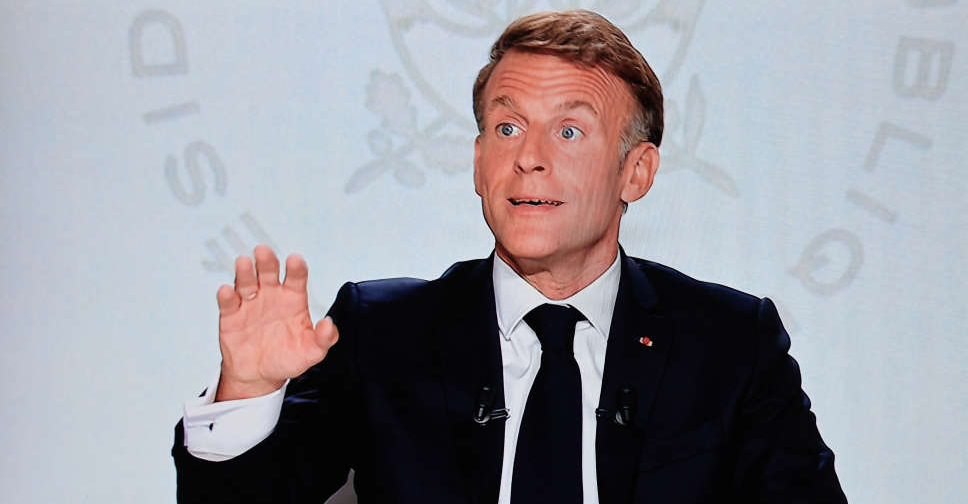 France to send military to protect Saudi Arabia, Macron says
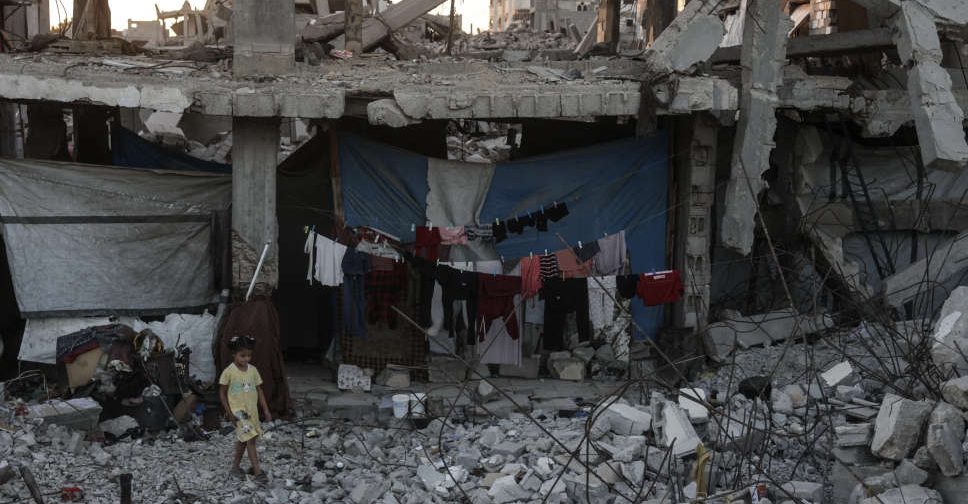 Gaza facing world's worst economic crisis, says UNCTAD
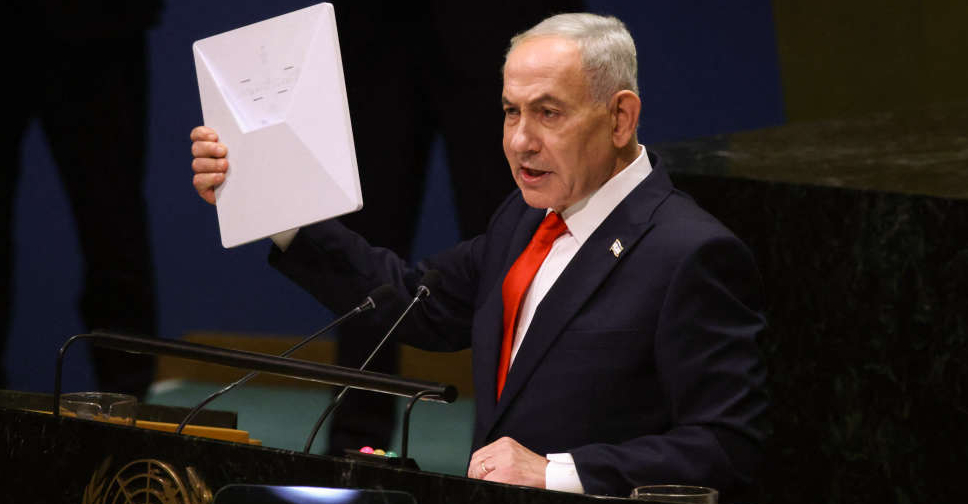 At UN, Netanyahu defends Israel as delegates walk out
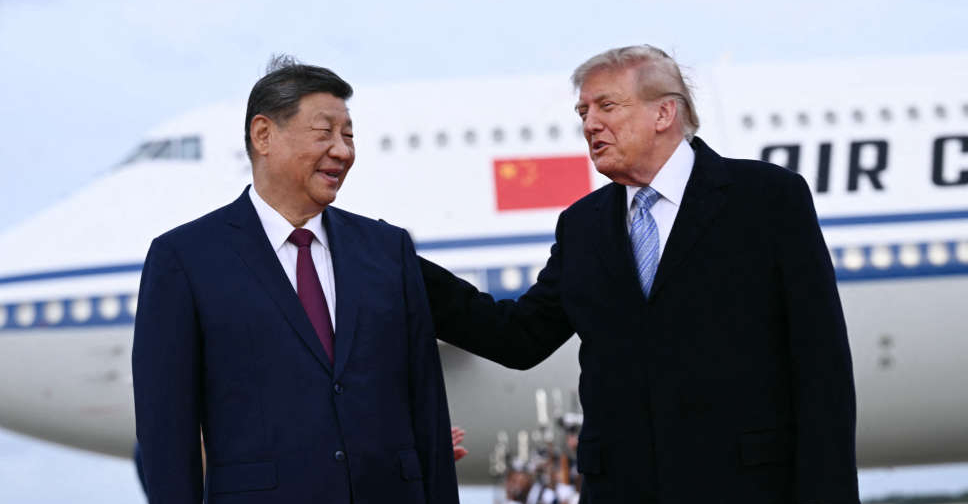 Trump welcomes Xi to Washington looking for a trade win